Understand the Existing Ink
The original tattoo has to be evaluated for saturation, contrast,
faded areas, line spread, scarring, and placement. These details
help determine the realistic options for a rework.
Mesa Tattoo On Upshur · Slabtown, NW Portland
A tattoo you no longer want does not have to be the end of the story.
Rian approaches cover-ups as a design and technical problem: understand
the existing tattoo, work out what the skin and ink will allow, and
build a new piece around that reality.
With decades of experience in tattooing and a focus on cover-ups,
reworks, and corrections, Rian works with clients to find a realistic
path forward for old ink, faded color, blown-out lines, and tattoos
that no longer feel like you.
Cover-up work is planned around your existing tattoo, your goals, and
the possibilities of the area being tattooed.

01 / About Rian
A successful cover-up is more than placing a new image over an old one.
Rian Othus is a tattooer, researcher, and industry educator whose work
has focused on the technical and scientific side of tattooing. His
approach brings that interest in how tattooing works into the planning
process for clients who want to rework existing ink.
He has approximately 25 years of tattooing experience, with the last
15 years focused largely on cover-ups, reworks, and scar correction.
Rather than treating every project as a matter of adding more ink, he
evaluates the original tattoo and plans a new design around its
characteristics.
Rian has also worked in tattoo education and professional development,
including serving as lead advisor for Better Tattooing’s tattoo
education department. His work includes research assistance and
advising for PhD programs at Texas Tech University, Harvard University,
and New York University; serving as past Head of Educational Development
for APT; and serving as Oregon Health Licensing Office Vice-Chair for
Body Art/Tattoo.
The aim is practical: explain what is possible, what may be difficult,
and what trade-offs may be involved before you commit to a new piece.
You do not need to arrive with a finished design. Bring the tattoo
you want to change, an idea of what you would like instead, and any
questions or references that help explain your goals.
02 / The cover-up approach
The old tattoo is part of the design brief. Its darkness, color,
location, and condition all influence what can work over it.
The original tattoo has to be evaluated for saturation, contrast,
faded areas, line spread, scarring, and placement. These details
help determine the realistic options for a rework.
A cover-up design needs to account for the old tattoo rather than
ignore it. Shape, scale, contrast, color, and detail are considered
together so the new piece works as a whole.
Some projects need a larger design, more than one session, or
preliminary laser lightening. The consultation is where those
possibilities can be discussed before work begins.
03 / What can be reworked?
People seek cover-ups for many reasons. Maybe the tattoo has faded,
the lines have spread, the color no longer looks right, or the design
belongs to a period of life they have moved beyond.
The goal is not simply to hide a tattoo at any cost. It is to find a
design that makes sense for the existing ink and gives you something
you want to wear.

04 / Why an in-person consultation?
Two tattoos that look similar in a photograph can behave very
differently when planning a cover-up.
Photographs can help start the conversation, but they do not always
show the true depth of color, the condition of the skin, texture,
scarring, or how the existing tattoo sits on the body. An in-person
assessment helps establish which options are worth considering.
During the consultation, Rian can look at the tattoo, listen to what
you want to change, and talk through design directions and limitations.
You can ask questions before deciding whether to move forward.
05 / The process
The consultation is a conversation about the tattoo you have, the result
you want, and the most realistic way to approach the change.
Start with the tattoo as it is now. Its size, placement, ink density,
color, and condition help determine the range of possible solutions.
Tell Rian what you want to move away from and what you would like
the new tattoo to communicate. You can bring references or start
with a broad idea.
Talk through suitable subject matter, size, placement, contrast,
and color. A successful design may need to be larger or more
structurally different from your first idea.
Before booking the work, discuss likely session needs, pricing,
preparation, and whether any additional steps should be considered.
The plan depends on the tattoo being assessed.
06 / Selected work
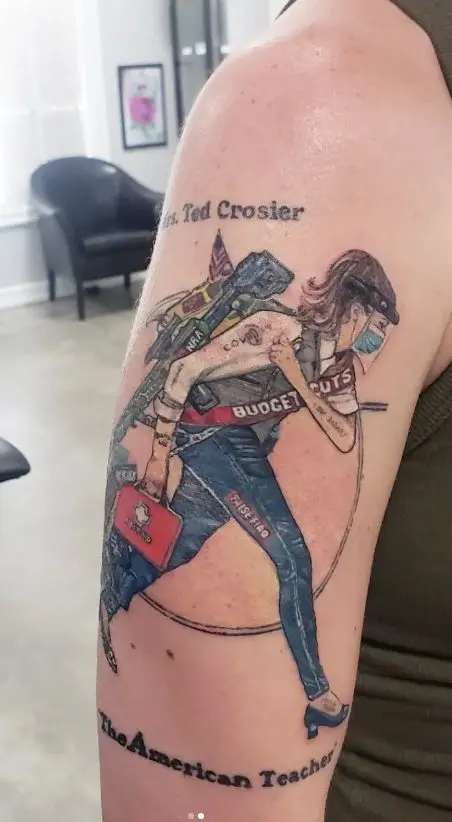
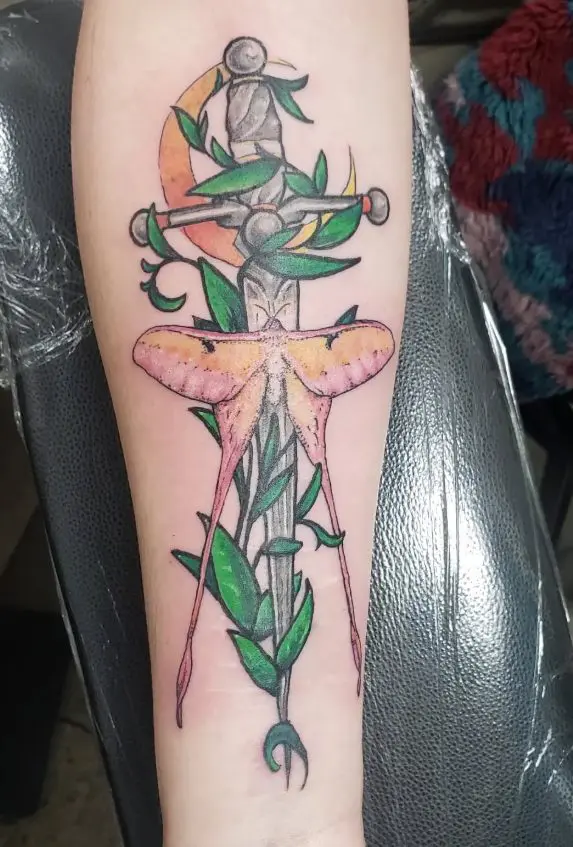
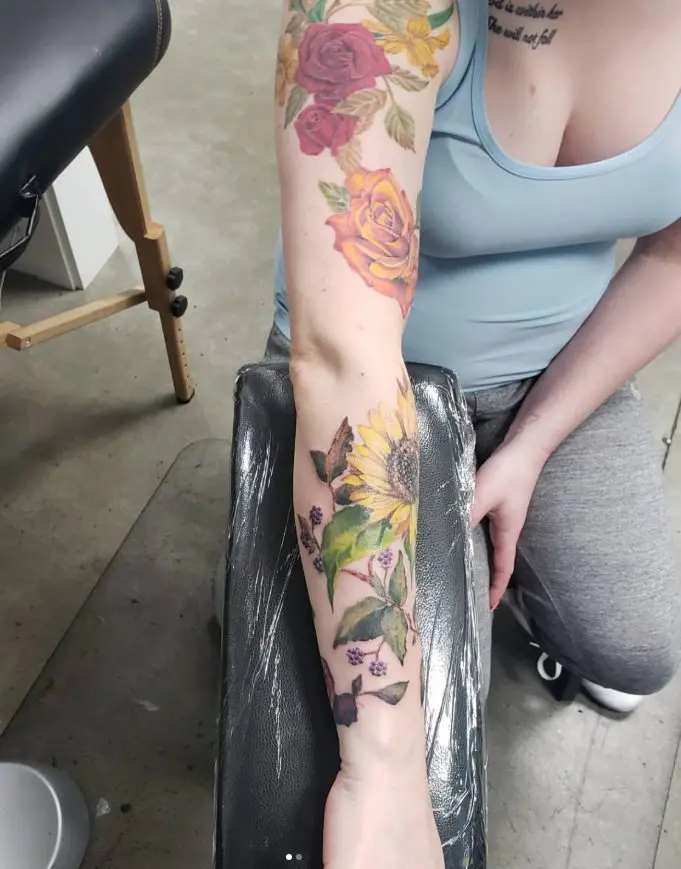
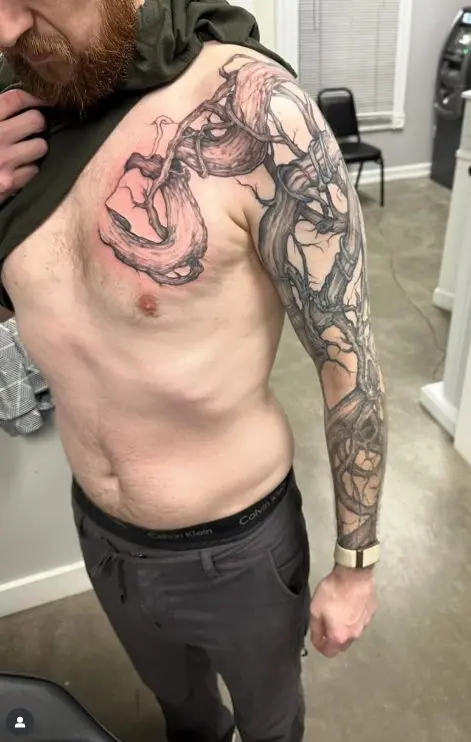
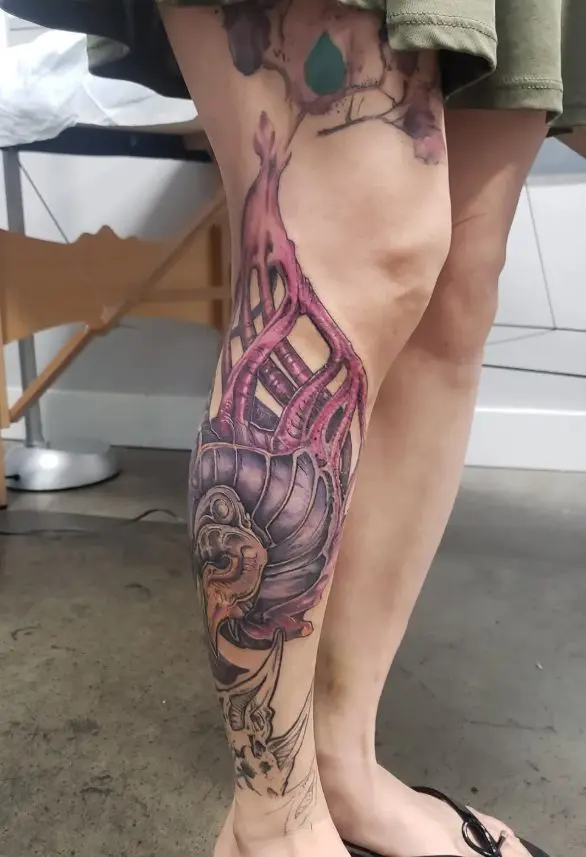
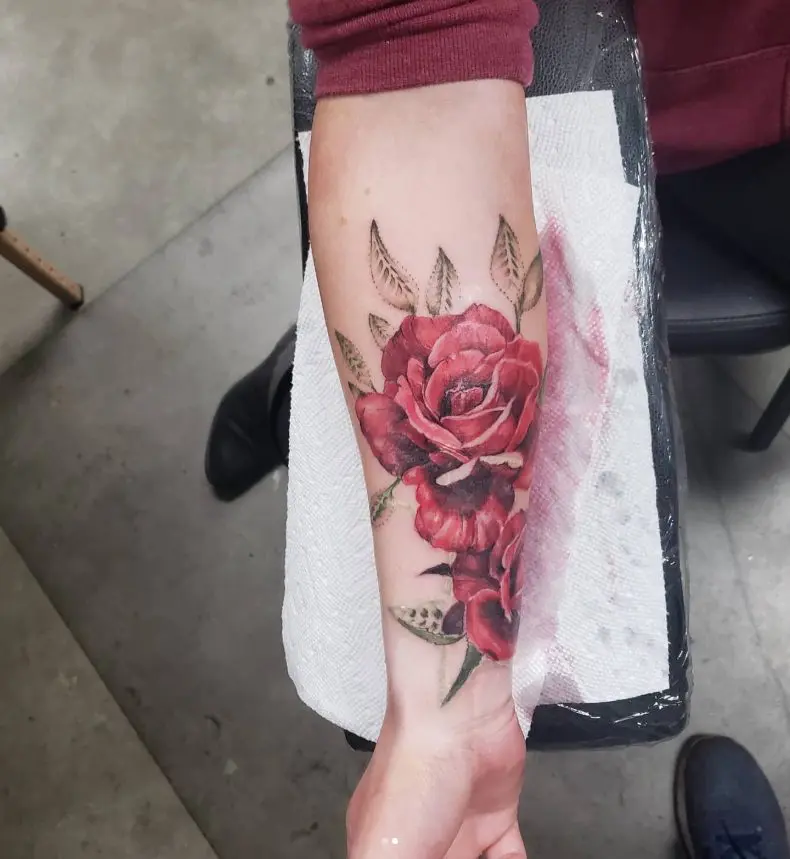
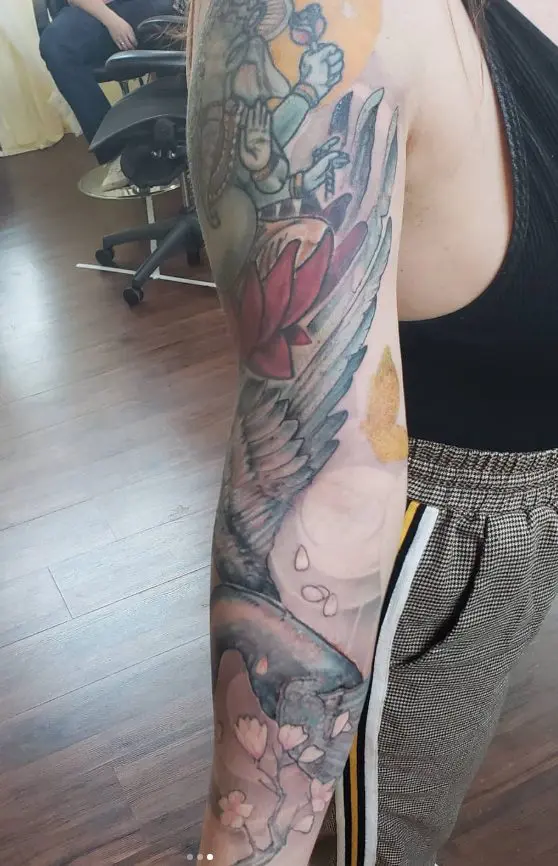
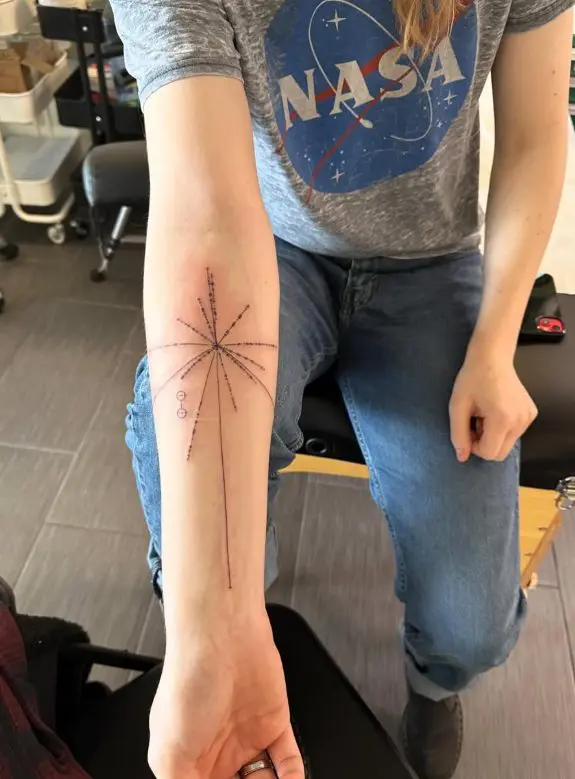
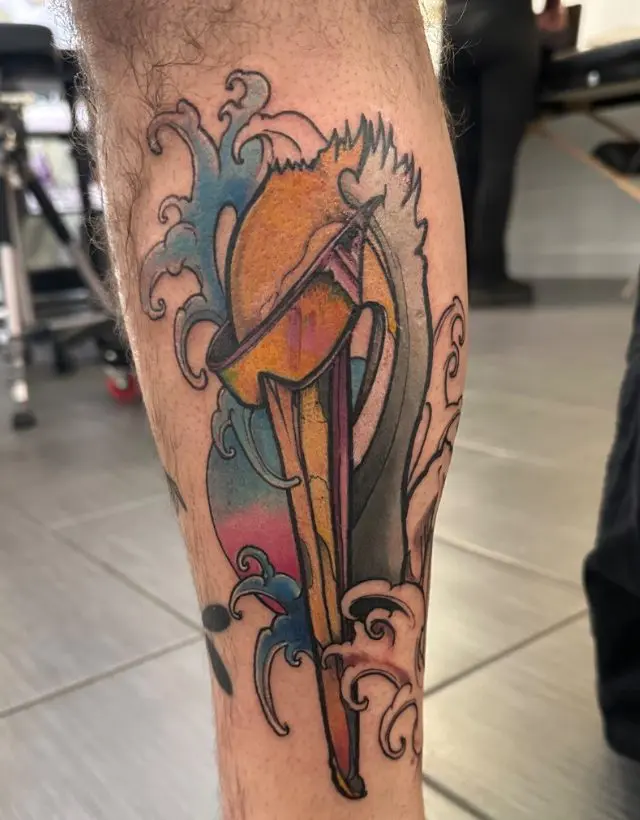
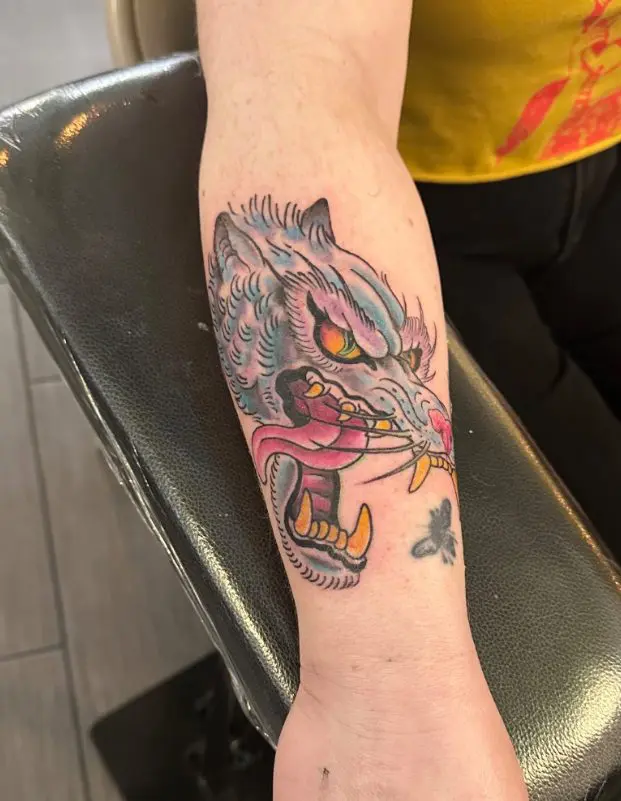
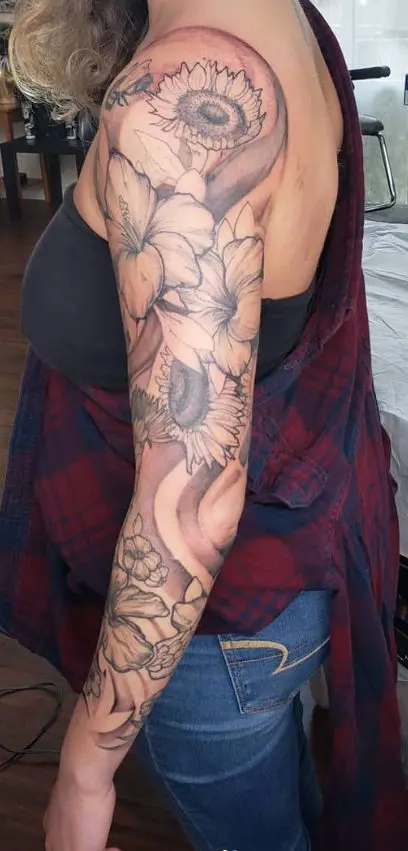
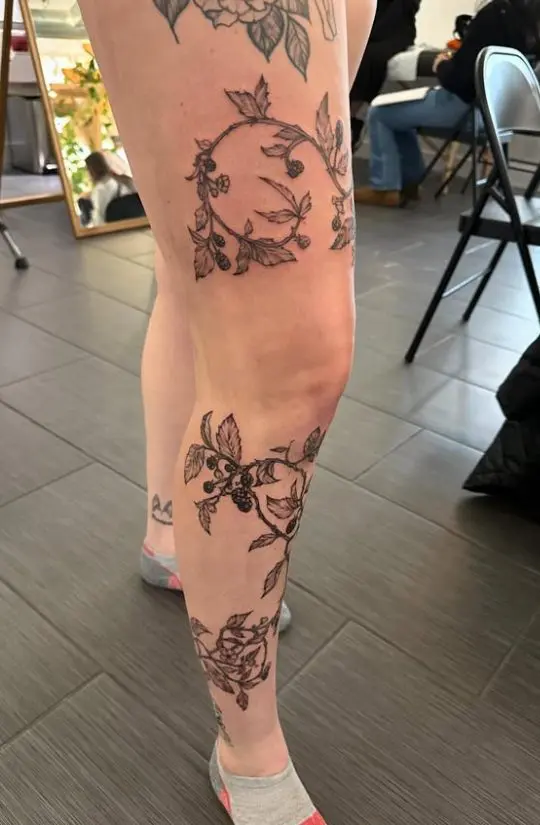
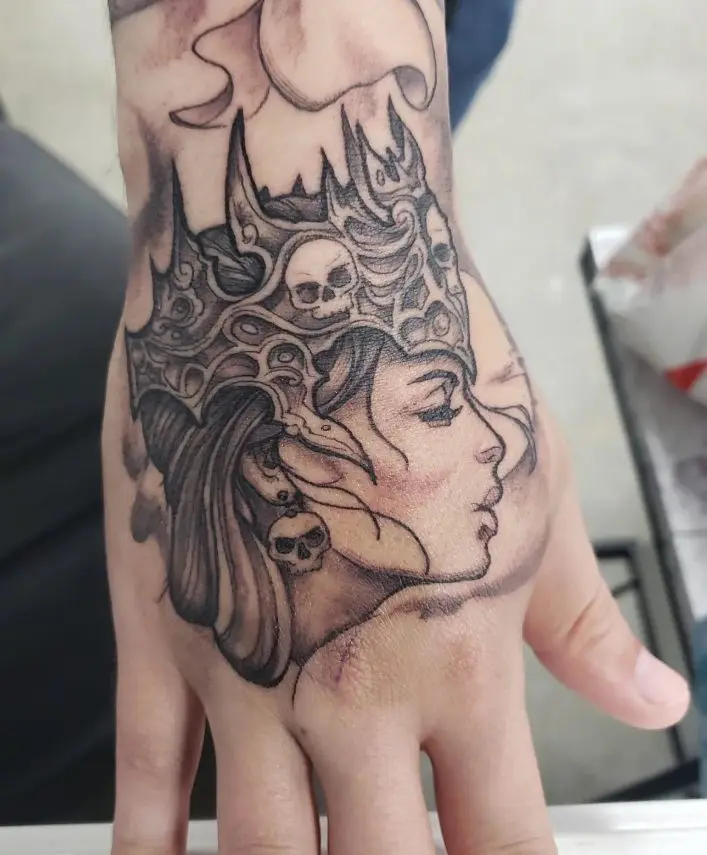
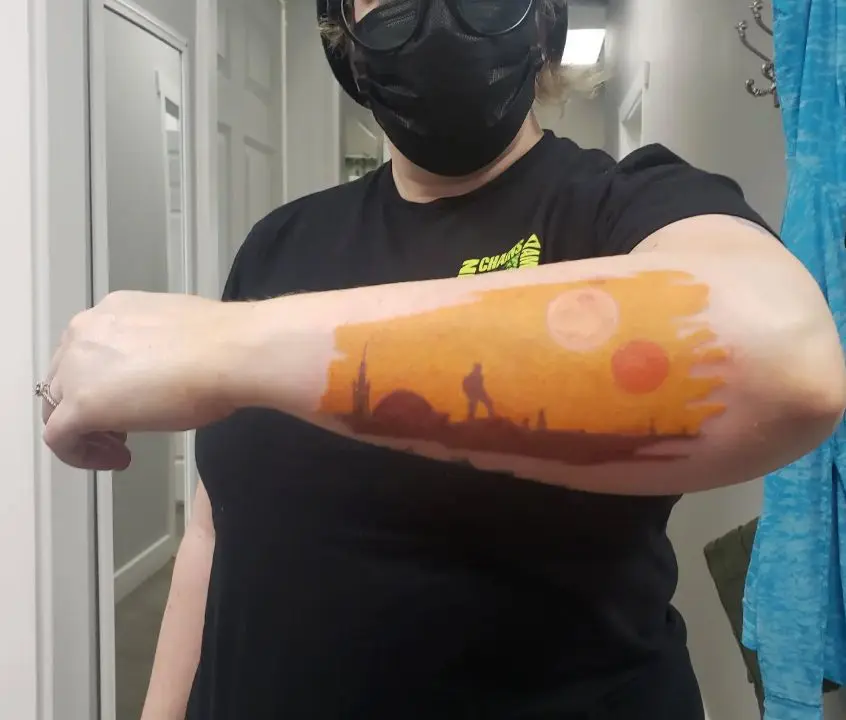
Review examples of Rian’s tattoo work as you think about the
direction you want to take with your own project.
Portfolio examples are provided for inspiration. The best approach for
your cover-up depends on your existing tattoo and will be discussed
during an individual assessment.
07 / Before you book
Every existing tattoo is different. These answers explain the general
planning process; your consultation is where the details of your
specific project can be assessed.
Many tattoos can be reworked, but the options depend on the original
ink, its density, placement, skin condition, and the design you want.
Some tattoos may need laser lightening or a different approach.
An in-person assessment is the best way to discuss what may work.
Often, yes. A new design may need enough room to use shape, contrast,
and darker areas to integrate the existing tattoo. The amount of
additional size depends on the tattoo and the proposed design.
Some faded color and spread linework can be improved through a
rework, but the appropriate method depends on the existing tattoo.
The aim is to plan around the actual condition of the ink rather
than assume the same solution works for every piece.
Not always. Some projects can be addressed with a cover-up alone;
others may benefit from lightening the original tattoo first.
That decision depends on the existing ink and your desired result.
Discuss it during the consultation rather than assuming it is
required or unnecessary.
Photos can help introduce the project, but they cannot reliably
show every detail needed for a final assessment. Size, complexity,
the original tattoo, and the number of sessions can all affect the
plan. Pricing is discussed after the work has been assessed.
Bring the existing tattoo for an in-person assessment, references
for the kind of work you like, and a general idea of what you want
to change. If you are unsure about the design, that is fine. The
consultation is a chance to talk through options.
No. It is an opportunity to discuss your tattoo, ask questions, and
understand the possible approaches before deciding how to proceed.
08 / Take the next step
Start with the tattoo you have and the result you want. The next step
is a conversation about what is possible.
Use the form to share a little about your project. Tell us where the
existing tattoo is, what you want to change, and what kind of new
tattoo you have in mind. Include reference images if they help explain
your direction.
You do not need to have every detail figured out. The goal is to begin
with enough information to have a useful conversation.
Mesa Tattoo On Upshur
1801 NW Upshur St, Unit 350
Portland, OR 97209
503-454-6490
info@bettertattooing.com
Consultations are handled by appointment. Cover-up work should be
assessed in person before a final plan is established.
Consultation request
Describe the existing tattoo, what you would like to change, and
anything you already know about the new design.